Traditional Architectural Vocabulary.
These design elements serve as dynamic tools reflecting a profound understanding of the climate, the environment, and the local community's culture. With modern restorations, the importance of reinterpreting this architectural language has emerged, adapting it to contemporary requirements while fully preserving its authentic spirit. Where it bridges the past with the present, respecting traditional details in construction, plastering, and ornamentation, while introducing modern solutions that protect its core meaning and ensure its continuity across generations.

Traditional Architectural Vocabulary.
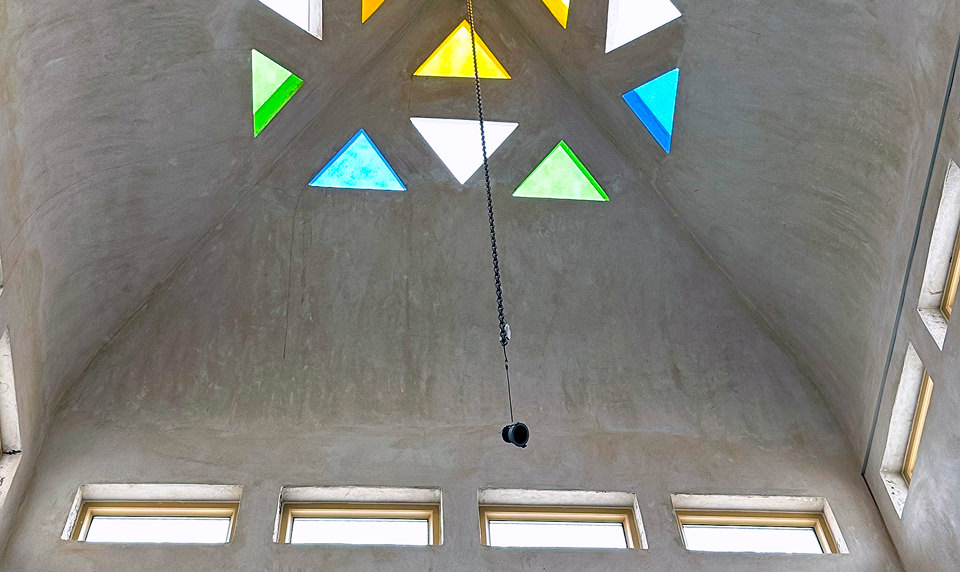
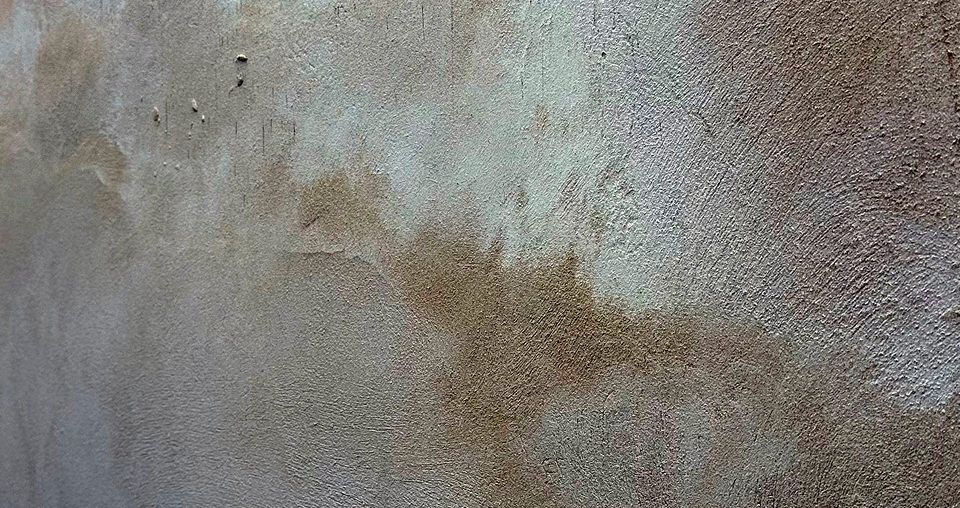
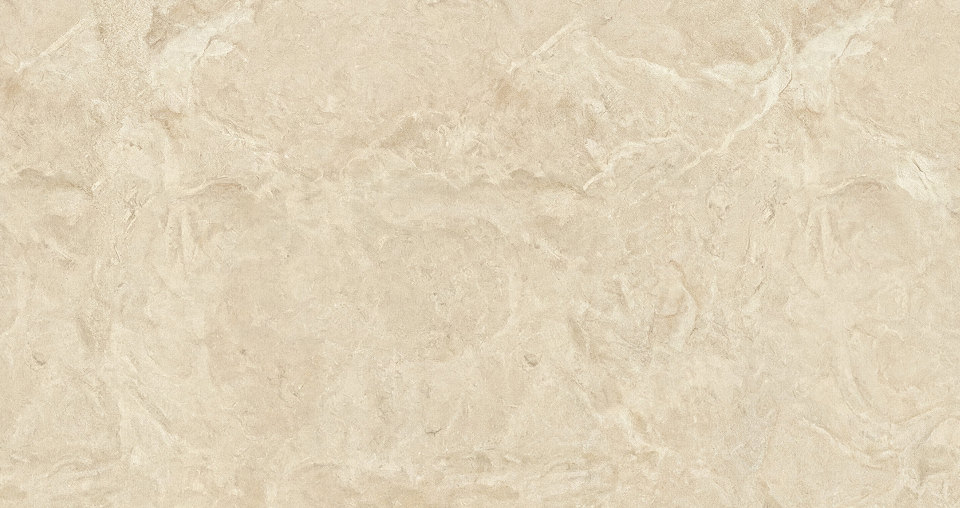
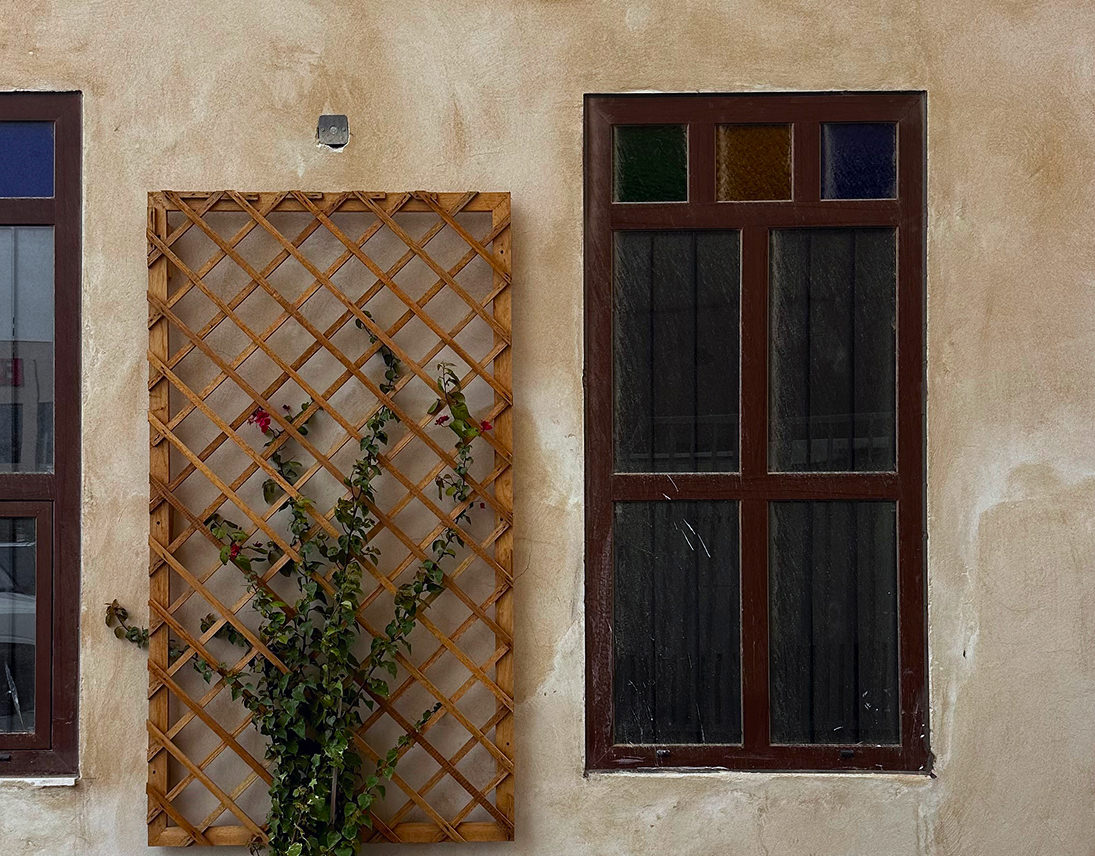
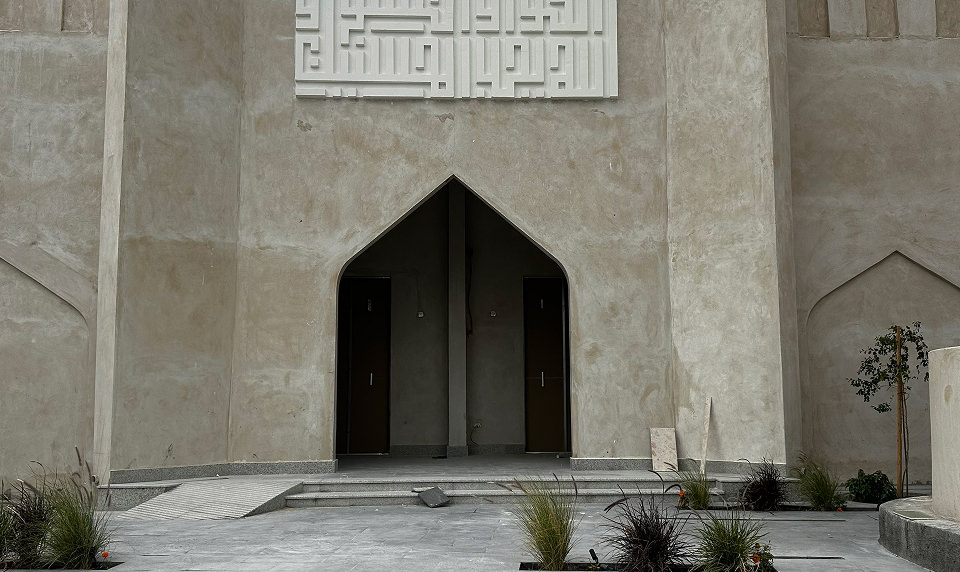
This chapter provides an introduction to the traditional Al-Ahsa architectural vocabulary that has shaped the identity of Algosaibi Mosque throughout its history. Architecture in Al-Ahsa represents an integrated structural language built upon local materials and inherited techniques, ranging from mud and stone to precise gypsum plastering that gives surfaces their distinctive, serene texture. Within these design details, the mastery of craftsmen shines through the creation of ornaments, gypsum carvings, and the refinement of openings, doors, and windows, achieving a perfect harmony between aesthetic beauty and functional purpose.


%201.jpg)